

The Role of Weather in Achieving Long-Lasting Paint Jobs
Weather plays a critical role in determining how long a fresh coat of paint will last. Different weather conditions can significantly impact the success and durability of exterior painting projects. From temperature fluctuations to humidity levels, understanding these factors is crucial for achieving the best results. This article explores how various weather elements affect exterior painting and offers valuable insights into planning your next project.
Temperature Effects on Painting Projects
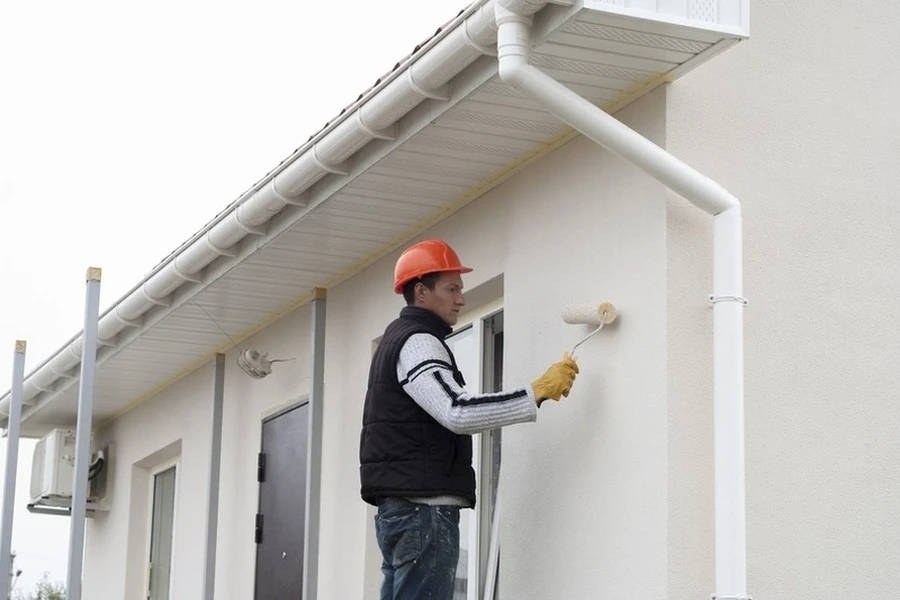
One of the main considerations when planning an exterior painting service is the temperature. The ideal temperature range typically falls between 50°F and 85°F. Working within this range helps ensure that the paint adheres properly and dries evenly. Low temperatures can cause the paint to thicken, leading to uneven applications, while high temperatures can make it dry too fast, affecting its appearance and longevity.
Humidity Levels and Their Impact
Humidity also plays a significant role in the success of an exterior painting service. High humidity levels slow down the drying process, which may result in blistering or peeling over time. On the other hand, very low humidity can cause the paint to dry too quickly, leading to visible brush strokes and uneven surfaces. Monitoring humidity levels before starting your project helps prevent these issues.
The Influence of Wind on Paint Application
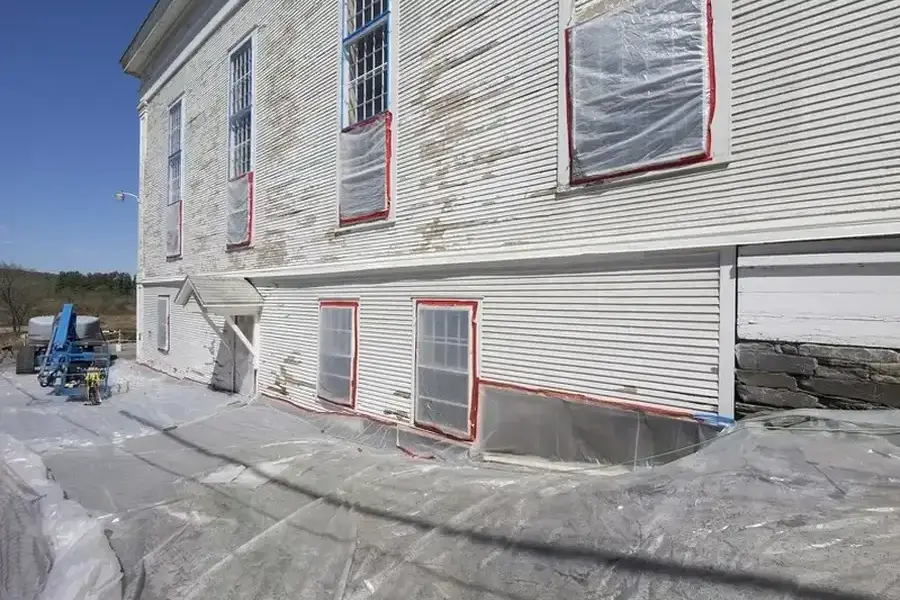
Windy conditions can be challenging when applying paint outdoors. Strong winds not only make it difficult to apply the paint evenly but can also blow dust and debris onto wet surfaces. These particles become embedded in the paint, marring its finish. Planning your exterior painting during calm weather is essential for achieving smooth and flawless results.
Rain: A Major Obstacle to Painting Success
Rain is arguably one of the biggest enemies of freshly applied paint. It compromises adhesion and alters the drying process, often requiring reapplication for uniformity. Postponing painting until there is no rain forecasted ensures that your efforts yield durable results without needing additional touch-ups.
Planning Around Seasonal Changes
- Spring: Offers mild temperatures but sometimes unpredictable rain
- Summer: Typically warm with lower chances of rain but higher humidity
- Fall: Often provides stable weather but shorter daylight hours
- Winter: Generally too cold, making it unsuitable for most exterior paints
Preparation and Timing for Optimal Results
Proper preparation means checking forecasts to pick days with optimal weather conditions. Early mornings or late afternoons tend to offer balanced temperatures without direct sunlight exposure. This timing allows painters to work efficiently while ensuring that the paint has adequate time to set correctly.
Final Thoughts on Successful Exterior Painting
Your choice of timing significantly impacts the quality and lifespan of exterior painting projects. By considering elements like temperature, humidity, wind, and rain, you can plan effectively for longer-lasting finishes. For expert advice tailored to local conditions, contact YAC Remodeling Service at (813) 934-4889. Our team serves clients throughout Clearwater, FL, providing professional painting solutions designed to withstand Mother Nature’s challenges.